



Why Regular Cleaning Protects Your Crimsafe Mesh
If you want your Crimsafe screens to keep looking sharp and performing the way they should, the answer is simple: clean them on a regular schedule that matches where you live. Like a lot of homeowners across North Lakes, Redland Bay and along the Brisbane River, you probably chose Crimsafe because it gave you real peace of mind without turning your home into a cage behind bars and grilles. That peace of mind only holds up over time if the mesh and frame are looked after, so the airflow and natural light you love do not come at the cost of the protection you paid for.
Crimsafe’s stainless steel mesh is corrosion-resistant, not corrosion-proof. Dust, salt and other airborne particles settle on the surface every day, and if left there long enough, they can dull the finish and, in coastal areas, contribute to staining. A quick wash every few weeks or months, depending on your suburb, keeps that buildup from ever becoming a problem.
What Causes Staining On Stainless Steel Security Screens
Two types of marks tend to show up on Crimsafe mesh, and knowing the difference helps you understand what your screens are dealing with. Neither type means your screens are rusting through, but both are a sign it is time for a wash.
| Mark type | What it looks like | What causes it |
|---|---|---|
| Reddish marks | Rust-coloured spotting on the mesh surface | A combination of salt, moisture and airborne impurities sitting on the mesh |
| Whitish, fluffy marks | Pale, powdery-looking residue | Straightforward salt buildup from sea air |
Crimsafe’s 304 grade stainless steel mesh, combined with UV fade-resistant powder coating, is built to resist corrosion for many years. Crimsafe cites a potential lifespan of around 65 years for the mesh under this system in some of its published material, though the figure you will get quoted can vary between markets and product tiers, so it is worth confirming the exact number for your specific Crimsafe product with your installer. What is consistent across all of Crimsafe’s guidance is that marks like these are a sign contaminants have been sitting on the surface a while and it is time for a wash, not a sign the screen is failing.
How Often To Clean Crimsafe Screens Based On Your Brisbane Suburb
How often you need to clean depends almost entirely on how close you live to salt water. Here is a simple guide:
| Distance from beach or sheltered bay | Recommended cleaning frequency |
| Within 500m of beachfront, or 100m of a sheltered bay | Every 1 to 2 weeks |
| 500m to 1km of beachfront, or 100m to 1km of a sheltered bay | Every 2 to 4 weeks |
| 1km to 10km from the beachfront or sheltered bay | Every 2 to 3 months |
| More than 10km from the beachfront or sheltered bay | Every 6 months |
If you are near freshwater rather than the ocean or a bay, this is not considered a high-risk area, so cleaning every 6 months or so should be fine. When your Crimsafe screens are installed, ask the team for guidance specific to your street, since two homes a few suburbs apart can face very different exposure to salt air.
Here is that same guide as a quick visual, so you can see at a glance how much more often coastal homes need attention compared to inland ones.
The Right Tools And Cleaning Solution To Use
You do not need anything fancy. Here is what actually works, and what to steer clear of.
- ✔ A soft, non-abrasive brush
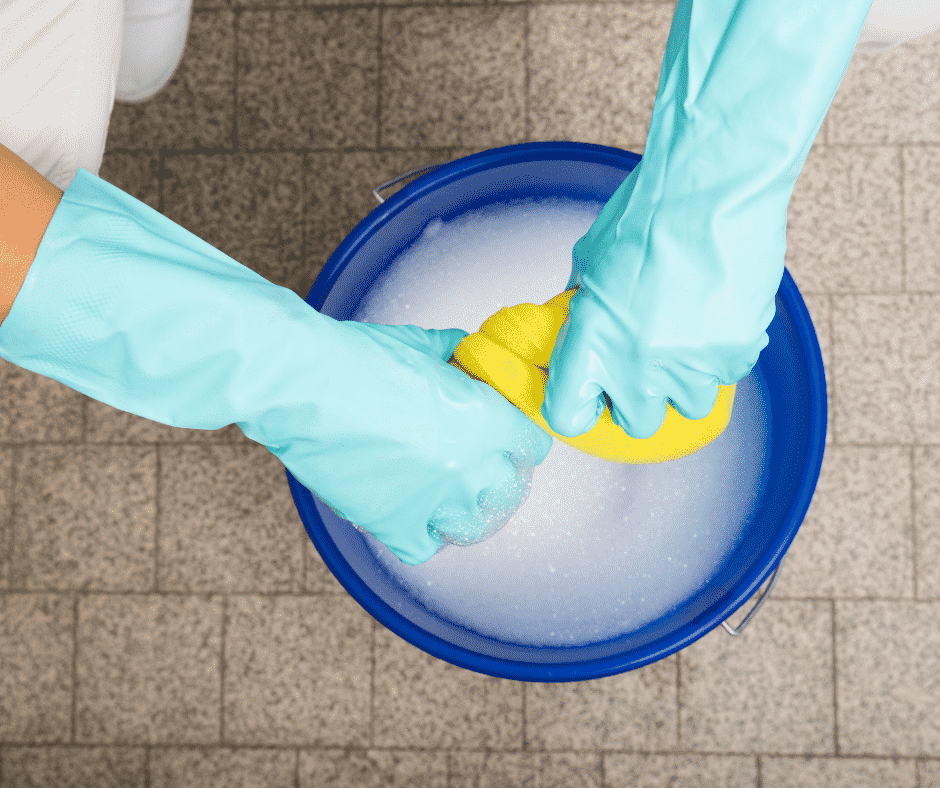
- ✔ A bucket of warm water
- ✔ A microfibre cloth for drying
- ✔ Crimsafe Wash and Wax, or a regular car wash and wax product
- ✘ Harsh chemicals, solvents, bleach or ammonia-based cleaners
- ✘ Steel wool or abrasive scourers
- ✘ Pressure cleaners or high-force hoses
- ✘ Leaving salt residue to sit for long periods in coastal areas
Harsh chemicals, solvents, bleach and ammonia-based cleaners can strip or damage the protective powder coating over time, and steel wool or abrasive scourers can scratch the coating, creating a rough surface where salt and dirt collect more easily.
Step-by-Step Guide To Washing Frames And Mesh
Cleaning a Crimsafe screen properly is a three-step job, and most homeowners find they can get through a door or window in a few minutes once they have done it once.
Mistakes That Damage The Powder Coating And Void Your Warranty
A few habits can undo the protection Crimsafe is built to provide.
- ✘ Using a pressure cleaner on your screens, as the force can push water and grit behind fittings and damage the coating
- ✘ Reaching for abrasive pads, scourers or steel wool
- ✘ Leaving salt residue sitting on the mesh in coastal areas, which is one of the more common reasons a warranty claim gets knocked back
Genuine Crimsafe security screens installed by Securelux carry the standard Crimsafe manufacturer’s warranty, which starts at 10 years and can extend to 12 or 15 years depending on the product tier and registration, on top of Securelux’s own workmanship warranty. Crimsafe’s warranty and care guidelines expect a reasonable level of maintenance, so a simple regular routine protects both your investment and your cover.
Cleaning Tips For Homes Near Moreton Bay And The Brisbane River
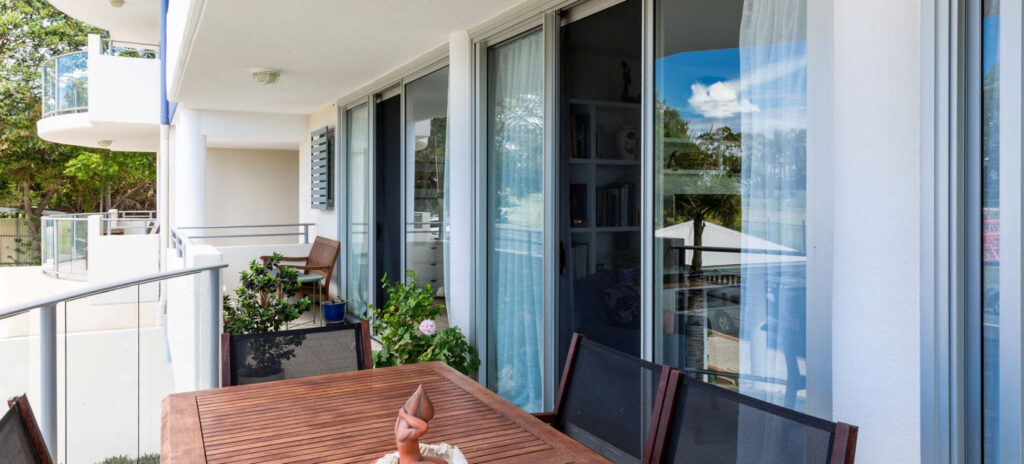
If your home sits close to Moreton Bay, the Redlands foreshore or right along the Brisbane River, marine air is working against your screens every single day. Rinse with fresh water more often than the general guide suggests if you notice salt haze on other metal fixtures around the house, and do not let a buildup sit through a long dry spell, since the next humid stretch of weather can turn light dust into a stuck-on residue. A quick hose down between full washes goes a long way in these suburbs.
Cleaning Tips For Suburbs Further From The Coast
Homes further inland, out past Ipswich or the western suburbs, deal less with salt and more with general dust, pollen and the odd bit of construction grime if there is building work nearby. The 6-month routine covers most of these areas comfortably. If you back onto a busy road, or a dusty renovation is underway next door, it is worth bringing your cleaning forward rather than waiting out the full 6 months.
How Correct Cleaning Helps Protect Your Mesh Long-Term
Crimsafe’s 304-grade stainless steel mesh, paired with high-grade pre-treatment and UV-fade-resistant powder coating, is engineered for long-term corrosion resistance, with Crimsafe citing a potential lifespan of decades when the screens are properly maintained. Skipping cleaning does not mean your screens will fail tomorrow, but it does mean contaminants get more chances to sit against the coating for longer, and that is where premature wear starts. A simple wash, done on the schedule your suburb calls for, is the easiest way to make sure your screens are still doing their job well into the future.
Signs Your Screens Need More Than A Routine Clean
Most of the time, a wash sorts everything out. Occasionally, it does not, and that is worth knowing before it becomes a bigger issue.
- ⚠ Mesh that feels loose in the frame
- ⚠ Corners where the coating has visibly worn through to bare metal
- ⚠ Hinges or rollers that have become stiff or noisy
- ⚠ Marks that will not lift after a proper clean
Any of these is worth a call to your installer rather than reaching for a stronger cleaning product, since the fix is rarely more cleaning.
Why Professional Installation Makes Cleaning Easier
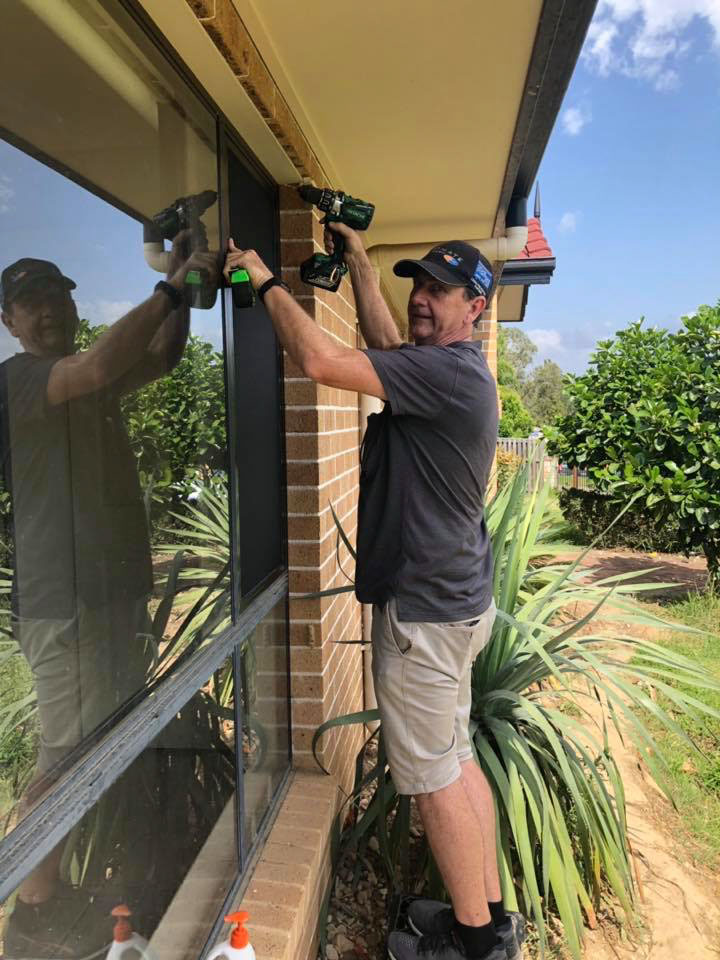
A well-installed Crimsafe screen is genuinely easier to keep clean. Securelux uses its own employed installers rather than subcontractors, so screens are fitted with proper mesh tension and correctly seated frames, meaning fewer gaps and pockets where dirt and salt can lodge. A poorly fitted screen, or an imitation product sold as “Crimsafe-equivalent”, can trap grime in ways that make even a careful cleaning routine harder work than it should be.
Frequently Asked Questions
How often should I clean my Crimsafe screens?
Can I use a pressure washer on my Crimsafe screens?
What is the best cleaning solution for Crimsafe mesh?
Does cleaning my screens affect my Crimsafe warranty?
Are the reddish or white marks on my mesh a sign of rust?
Booking A Free Crimsafe Consultation With Securelux
If your screens are overdue for a clean or you are noticing signs they need more than a wipe-down, the Securelux team is happy to help. We are a family-owned Queensland business with more than 40 years of installing genuine Crimsafe security screens across Brisbane, the Redlands, North Lakes and the Gold Coast, and every consultation is free with no obligation to sign on the day. Get in touch on 1300 11 51 51 or request a free measure and quote online, and if you found this guide useful, feel free to share it with a neighbour who could use the reminder too.


Leave A Comment