


Break-ins across Brisbane are not getting more sophisticated so much as they are getting faster, and the tactics intruders now favour target the weakest point they can find in seconds, not the strongest. If you are lying awake wondering whether your home would hold up to someone testing the back door at 2 am, you are not being paranoid, you are being sensible, and getting back that sense of security after a break-in nearby, or worse, at your own place, is exactly what this article is here to help with.
How Break-In Methods Have Changed Across Brisbane Suburbs
The picture across South East Queensland has shifted over the past few years. National data from the Australian Bureau of Statistics shows the rate of household break-ins climbed after a record low during the pandemic lockdown years, and Queensland property offences made up close to half of all recorded offences in the most recent reporting year. That is not a reason to panic, but it is a reason to look closely at how your home's doors and windows actually hold up.
What has changed is not so much the level of skill involved. Most Brisbane break-ins are still opportunistic rather than planned in detail. What has changed is speed. Intruders move from suburb to suburb, testing multiple properties in a single night, looking for the one that offers the least resistance. A flyscreen that pops out with a shove, a sliding door with a worn lock, or a window left unlocked while the family is at the shops: these are the openings that get exploited first.
Brisbane Break-Ins by the Numbers, 2026
Residential unlawful entry offences, Brisbane City Council area. Source: Queensland Police Service reported-offence data, analysed by Security Wholesalers, August 2026.
Brisbane's residential break-in count is trending the right way, but Queensland Police Service home-security guidance still points to the same basics that have not changed: secure side gates and rear access, keep vehicle keys out of sight, and do not rely on a screen that only looks secure. The fall in raw numbers is genuinely good news, it also means the intruders still active are working harder to find the one home on the street that has not upgraded.
According to the most recent Australian Bureau of Statistics household crime figures, roughly one in every fifty Australian households experienced a break-in in the last reporting year, and a similar proportion experienced an attempted break-in. Of the attempted break-ins recorded nationally, close to 40% left visible damage to a door or window, which tells us something important: a lot of these attempts fail, but only when the door or window actually puts up a fight.
Why Opportunistic Break-Ins Target Weak Points First
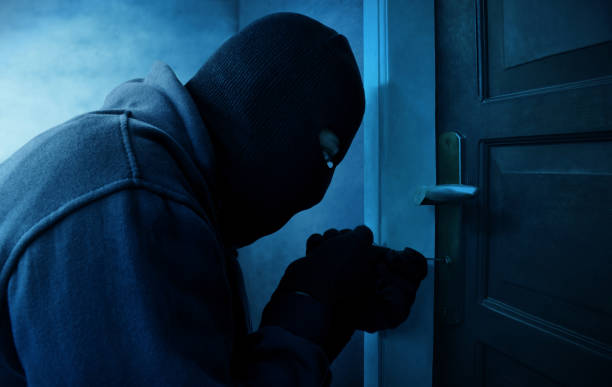
An opportunistic break-in is exactly what it sounds like: the offender is not casing your home for weeks, they are walking past, checking handles, and moving on the moment something resists. That means the goal is not to build an impenetrable fortress, it is to make your home visibly and genuinely harder to get into than the one next door.
The common weak points in a typical Brisbane home include:
- Standard flyscreens on windows and back doors, which are designed to keep out insects, not intruders
- Sliding doors with a single lock point that can be lifted or forced
- Side and rear entries that are out of view from the street
- Older screens or doors with visible screws or worn fittings that hint at easy access
Fixing these points does most of the heavy lifting when it comes to protection, and it is exactly why security screens exist as a category separate from flyscreens.
What The Latest Brisbane Crime Data Tells Homeowners
The most common points of entry recorded were doors and windows generally, unlocked windows specifically, and locks that were broken or forced. That lines up with what installers see on the ground every week in Brisbane and the Gold Coast: it is rarely the front door with a deadlock that gets tested first, it is the side window or the back sliding door.
| Entry point | Share of break-ins |
| Doors and windows generally | Around a third |
| Unlocked windows | Just under a third |
| Broken or forced locks | About a fifth |
How Crimsafe's Screw-Clamp Technology Resists Forced Entry
This is where Crimsafe earns its reputation, and it comes down to how the mesh is actually held in the frame. Crimsafe uses a Screw-Clamp system, where the mesh is mechanically clamped into the frame with tamper-resistant screws. Competing products on the market tend to rely on chemical bonding, pressure retention, or wedge systems to hold the mesh in place instead.
The difference matters under real force. University of Queensland testing found Crimsafe withstands 550kJ of impact for the Regular range and 750kJ for the Ultimate range, which is 5.5 times the current Australian Standard for impact resistance. That is not marketing language, that is independent lab testing, and it is the reason Crimsafe consistently gets recommended over cheaper look-alike screens.
Impact resistance figures from independent University of Queensland testing, as published in Securelux's Crimsafe technical documentation.
Why Stainless Steel Mesh Outperforms Standard Flyscreens
Crimsafe's Tensile-Tuff mesh is made from 0.9mm structural stainless steel, up to 26.5% thicker than most other mesh products on the market. Compare that to a standard aluminium or fibreglass flyscreen, which is built to keep out insects and let in air, nothing more. A standard flyscreen will tear, bend, or push through with hand pressure. Stainless steel mesh does not behave that way, and that single material difference is often what separates a home that gets targeted from one that does not.
For Brisbane and Gold Coast homes, there is a second benefit too. Coastal air is hard on lesser materials, and cheaper mesh and fittings corrode faster in a salty, humid climate. Stainless steel resists that corrosion far better over the life of the product.
Standard Flyscreen vs Crimsafe, Side by Side
| Feature | Standard flyscreen | Crimsafe security screen |
|---|---|---|
| Material | Fibreglass or lightweight aluminium mesh | 0.9mm structural stainless steel, Tensile-Tuff mesh |
| Fixing method | Spline or clip-in frame | Screw-Clamp mechanical fixing |
| Cut resistance | Tears with light hand pressure | Passed the knife shear test, resists a continuous cut over 150mm |
| Impact resistance | Not tested to a security standard | 550kJ (Regular) to 750kJ (Ultimate), independently tested |
| Coastal corrosion resistance | Fittings corrode quickly in salt air | Saltwater Series gel applied to every clamp screw |
| Purpose | Keeps insects out only | Keeps out insects and intruders |
| Warranty | Typically none or very limited | 10-year manufacturer warranty (plus 2 further conditional years), plus a 12-month Securelux workmanship warranty |
What Happens When Intruders Try To Cut Or Pry A Crimsafe Screen
Crimsafe mesh has passed the knife shear test, meaning it resists a continuous cut longer than 150mm from a trimming knife, one of the more common tools used in an attempted forced entry. It is also insect-proof in the same way a standard flyscreen is, so you are not trading away comfort for security.
Prying is the other common tactic, working a screwdriver or similar tool into a gap to lever the screen away from the frame. The Screw-Clamp system is specifically designed to resist this kind of leverage, because the mesh is held mechanically along the full frame rather than glued or clipped at a few points.
How Securelux Fits Crimsafe To Doors, Windows, And Sliding Doors
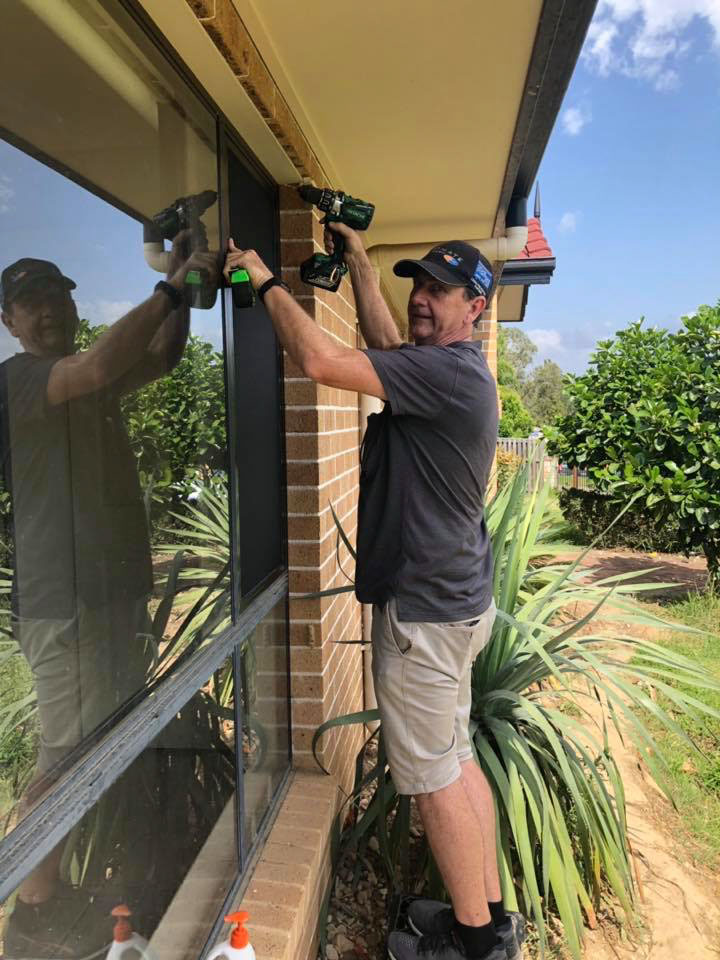
Every home is different, and that is why Securelux fits Crimsafe across the full range of openings a typical Brisbane property has: hinged doors, pivot doors, double hinged doors, sliding and double sliding doors, stacker doors in two, three and four panel configurations, and corner stackers. On the window side, that covers sliding glass, louvre, double hung, awning and casement windows, plus the Safe-S-Cape range for escape windows where fire egress rules apply.
This matters because a home is only as secure as its weakest opening. Fitting Crimsafe to the front door while leaving a side window on a standard flyscreen simply moves the target, it does not remove it.
Why Installation Quality Decides Whether A Screen Actually Holds
Even the strongest mesh in Australia will not perform to standard if the frame is not measured accurately and fitted square. Gaps, poor alignment, or a rushed install can leave a screen that looks right but flexes or lifts under pressure. This is one reason Securelux uses employed installers rather than external subcontractors, so the same standard applies on every single job, and every clamp screw gets Saltwater Series gel applied to protect against corrosion in Brisbane's coastal conditions.
What Proof To Look For Before Choosing A Security Screen Installer
Not every installer selling security screens is what they claim to be. Before booking a measure and quote, check for these real markers of legitimacy:
- Are they a Crimsafe Authorised Licensee, not just a reseller of a similar-looking product
- Are they QBCC licensed, and can they provide the licence number
- Do they employ their own installers, or subcontract the work out
- What do genuine customer reviews say about the finished job, not just the sales visit
Securelux is a Crimsafe Authorised Licensee and NSSA member, QBCC licensed under number 1187294, with 4.9 from 241 Google reviews and 4.8 on Facebook, built on more than 40 years of combined industry experience.
A Simple Three-Step Process
- Free Consultation
A local Crimsafe specialist measures your doors and windows and talks through the right product for your home. - Manufacture and Install
Your Crimsafe screens are manufactured to size and fitted by Securelux's own employed installation team. - Pay After Installation
Final payment is only due once the job is finished and you are happy with the result.
Two evergreen guarantees back this process up: a 30-day price lock on your quote, and weekly payment plans if you would rather spread the cost.
How To Protect A Brisbane Home Without Losing Airflow And Light
Security should not mean bars on the windows. Crimsafe's fine mesh is designed to be seen through, so you keep the view, the airflow, and the natural light while blocking both intruders and insects. This is the whole idea behind Feel Safe, Live Free: a home that protects your family and pets without feeling like a cage.
Crimsafe and Break-Ins, Quick Answers
Does Crimsafe rust?
Can you see through Crimsafe?
What is Crimsafe made of?
Is there a warranty on Crimsafe?
How much does Crimsafe cost?
Is Crimsafe worth the money?
Booking A Free Crimsafe Consultation With Securelux
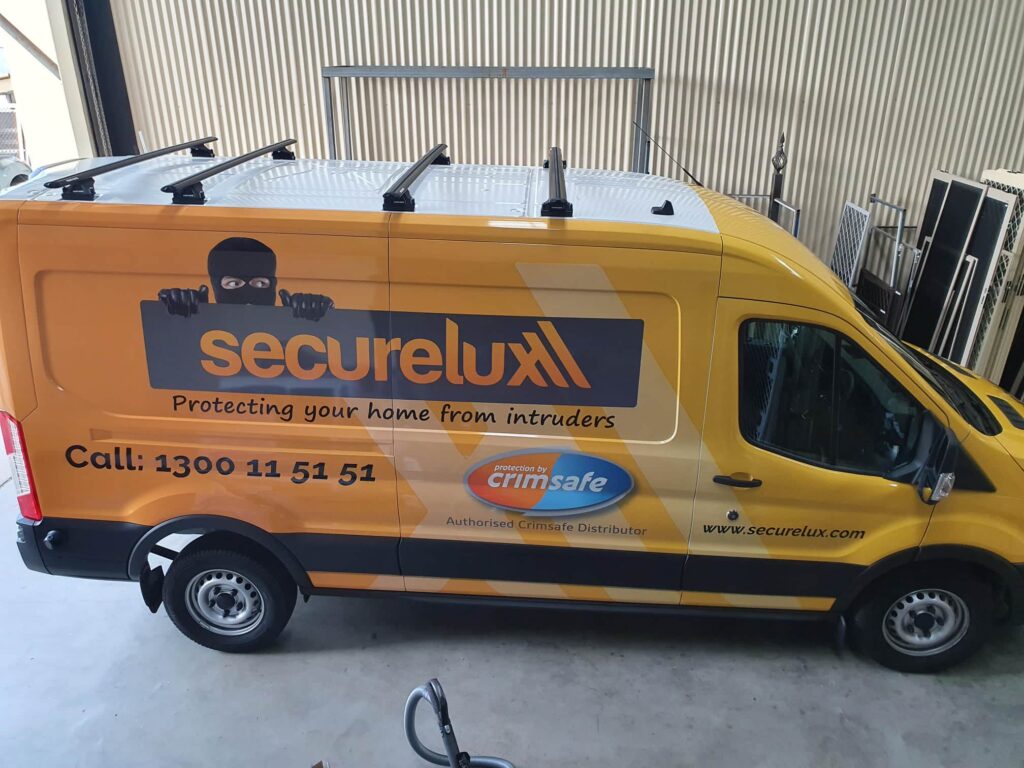
Brisbane's break-in tactics have shifted toward speed and opportunism, which means the homes that stay protected are the ones with doors and windows that genuinely resist a quick attempt, not just ones that look secure. If your existing screens are showing their age, or you simply want the peace of mind of knowing your home has been assessed by people who do this every day, book a free consultation with Securelux at securelux.com/book-consultation/ or call 1300 11 51 51.
Got a question about which Crimsafe range suits your home, or want to share your own experience with a break-in attempt in your suburb? Leave a comment below, we read every one, and we are always happy to help a Brisbane or Gold Coast family feel a little safer tonight.



Leave A Comment