


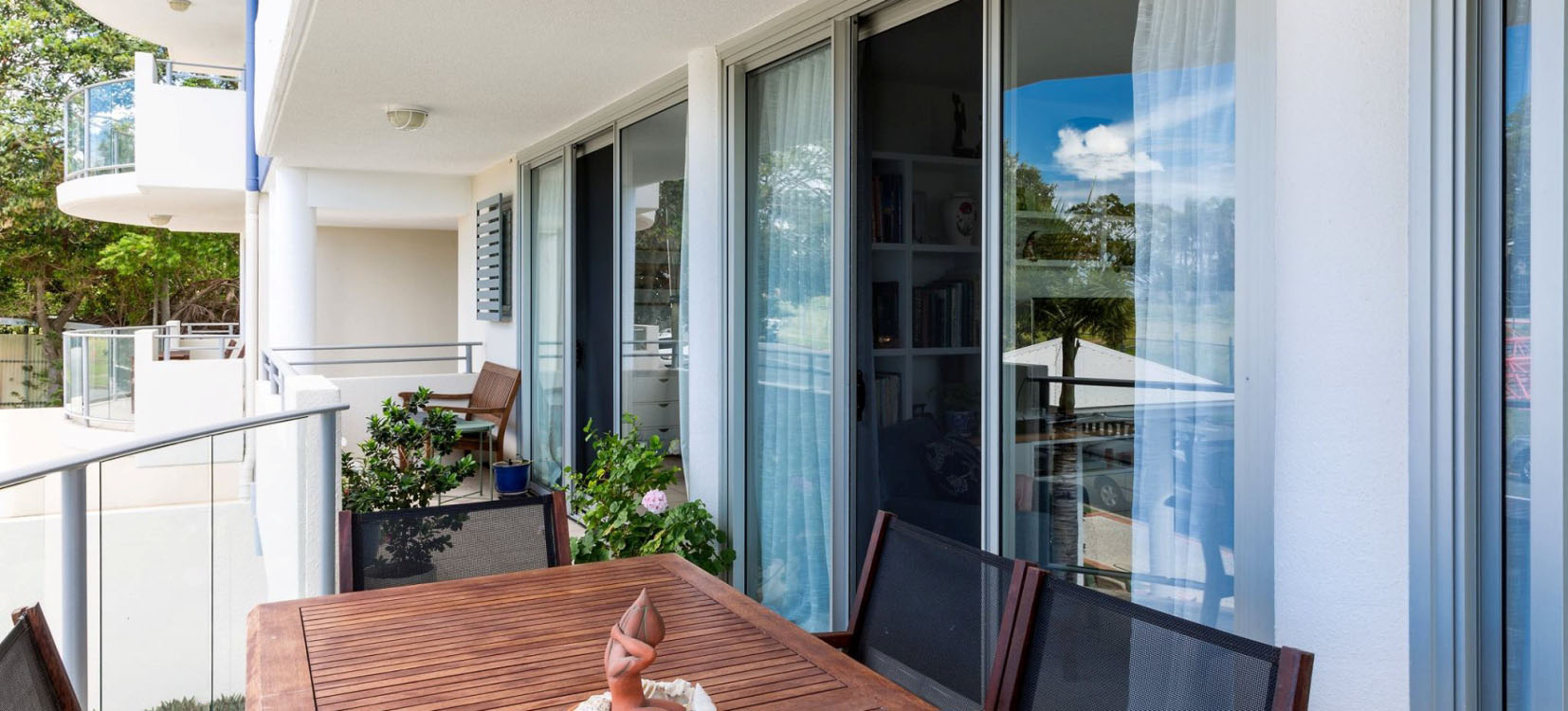
Crimsafe can be a sensible upgrade for a rental or short-stay property when it improves a real security weakness, holds up to frequent use, and supports the way the property is marketed. It should not be treated as a legal shortcut or a guaranteed return on investment. In Queensland, rental properties already have minimum housing standards that include functioning locks or latches on accessible external doors and windows. A security screen is an additional feature. For landlords and hosts, the decision comes down to risk, durability, tenant or guest experience, insurance conditions, maintenance, and the likely holding period of the property.
Why Rental Security Has Become a Bigger Issue for Landlords
Security becomes very visible when a tenant reports a loose lock, a damaged screen or a break-in nearby. Landlords also have to think about repeated occupant turnover, lost keys, maintenance requests and how quickly repairs can be organised between tenancies. Queensland's minimum housing standards require rental properties to be safe, secure and functional, including functioning locks or latches on accessible external doors and windows. That baseline does not require a premium security screen on every opening, but it does make it harder to ignore doors and windows that no longer close or secure properly.
What Queensland Rental Rules Actually Require
Queensland's Residential Tenancies Authority states that property managers and owners must supply and maintain locks needed to ensure premises are reasonably secure, and minimum housing standards require functioning locks or latches on accessible external doors and windows. Additional security measures such as security screens do not remove that requirement. If a screen is fitted, the underlying door or window still needs appropriate functioning hardware. Rather than relying on stories about tribunal decisions, landlords should work from the current RTA guidance, the tenancy agreement and professional advice for any dispute or unusual property situation.
Legally required under QLD minimum housing standards
- Functioning locks or latches on accessible external doors and windows
- The property manager or owner supplies and maintains those locks
- Premises kept safe, secure and functional overall
A voluntary security upgrade
- Fitting a security screen such as Crimsafe on doors or windows
- Upgrading beyond the minimum required hardware
- Adding cameras, alarms or other property security features
This is a general guide, not legal advice. Check current RTA guidance and your tenancy agreement for the specific requirements that apply to your property.
How a Break-In at a Rental Affects Vacancy and Rebooking
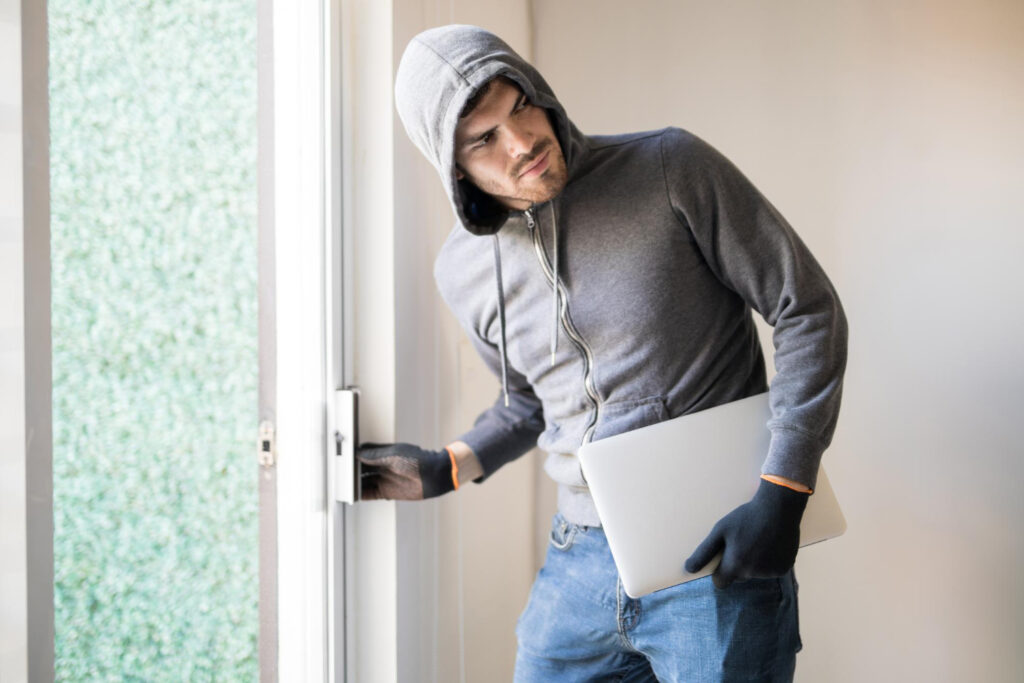
A break-in can create costs that go beyond the damaged opening. There may be emergency repairs, glass replacement, lock changes, cleaning, insurance administration, and time spent coordinating trades. Tenants may also feel less comfortable remaining in the property, even after the physical damage is repaired. For a short-stay property, an unresolved access issue can affect upcoming bookings. None of that proves a security screen will "pay for itself", but it gives investors a more realistic comparison than looking only at the screen price. The value is partly in reducing exposure and recovery disruption.
Why Airbnb and Short-Stay Hosts Carry Extra Exposure
Short-stay homes have a different operating pattern from a conventional tenancy. Guests change frequently, doors may be opened and closed more often, luggage moves through entrances, and the host may not be present when a hardware problem starts. Security also has to remain easy to understand for someone who has never used the property before. A screen door that catches, requires a trick to lock, or blocks emergency egress is a poor outcome even if it looks secure. Hosts should also check local, body corporate, platform and insurance requirements that apply to their particular property.
The Cost of a Burglary Versus the Cost of Prevention
There is no honest universal figure for what a burglary will cost a landlord. It depends on the damage, stolen items, policy excess, vacancy, repairs, and whether the owner's contents or the tenant's possessions are affected. Instead of inventing a payback number, compare known costs. Price the screen installation, likely maintenance, and any hardware upgrades, then compare those figures with your insurance excess and the cost of replacing the exposed door or window after forced entry. This gives you a property-specific decision rather than a dramatic statistic that may not apply.
How Crimsafe Holds Up to Tenant Wear and Tear
Rental properties benefit from fittings that tolerate regular use and can be maintained without specialist treatment every week. Crimsafe security screens use robust frames and a perimeter mesh-retention system designed for security applications, but locks, rollers, closers, and hinges are still mechanical parts that can wear or go out of adjustment. Tenants should be given simple care instructions and a clear way to report problems early. For coastal properties, cleaning frequency matters because salt and grime can build up. Durability improves the investment case only when basic maintenance is actually carried out.
Insurance and Liability Considerations for Property Investors
Never assume that adding a security screen changes an insurance premium or automatically satisfies a policy condition. Insurers set their own definitions for security, locks, occupancy and short-stay use. Before spending money on an upgrade for insurance reasons, ask the insurer or broker what evidence they require and whether the policy needs to be updated. Keep the invoice and product information after installation. For liability questions, especially in multi-storey properties, pool areas, or openings used for fall prevention, obtain advice on the relevant building requirements rather than treating a security product claim as legal compliance.
Balancing Tenant Appeal With Genuine Security
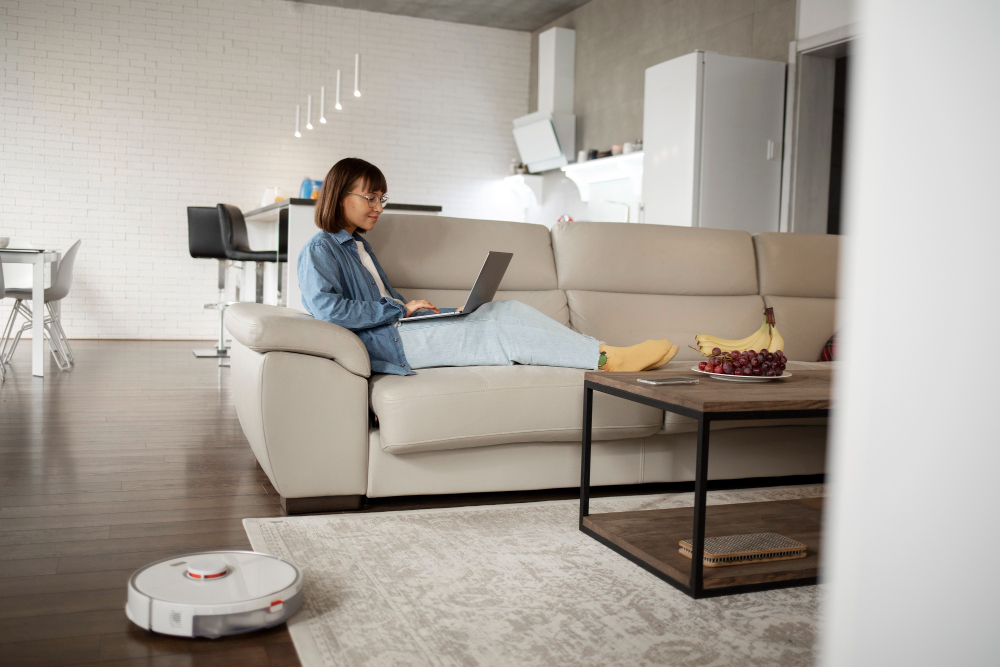
A rental can feel safer without feeling closed in. That is where security screens can have an advantage over bars or permanently shut openings. Tenants may value being able to open a door for airflow while keeping an additional locked barrier in place. Owners should still consider appearance, ease of use, and how the screen affects moving furniture, prams, or pets through the home. A premium product on a poorly chosen opening can become an annoyance. The best upgrade is one occupants can use correctly every day without needing a special explanation.
What to Disclose to Tenants and Guests About Security Features
Keep instructions simple.
- How to lock the screen, and where keys are kept
- Whether a door closer is fitted
- Who to contact if the screen starts sticking or the lock does not engage
- For short stays, written house instructions to prevent guests forcing hardware they do not understand
If alarms or cameras are also installed, separate privacy and disclosure rules may apply, so handle those features carefully. The security screen itself should never be presented as making the property crime-proof. It is one part of the property's overall security setup.
Adding Security as a Point of Difference in a Listing
Security can be a useful property feature, but keep listing language factual. "Security screens on accessible doors and windows" is clearer than promising a burglar-proof home. If the product is Crimsafe, use the correct product name and avoid claims that go beyond the manufacturer's published testing. Photos can show how the screens preserve airflow and visibility without turning the listing into an advertisement. For families, pet owners or people who like sleeping with windows open, the practical benefit may be more persuasive than a large strength number with no context.
How the Investment Pays Back Over a Tenancy
The return may come from several small benefits rather than a direct rent increase. A durable screen can reduce the need to replace weak flyscreens, support tenant satisfaction, improve the presentation of an older opening and reduce the disruption associated with some types of forced-entry damage. Whether those benefits justify the cost depends on how long you plan to hold the property and which openings are upgraded. Prioritising the front door, rear access and accessible windows can be more rational than fitting the highest specification to every opening regardless of risk.
Quoting Across a Multi-Property Portfolio
Portfolio owners should standardise the assessment process, not necessarily the product on every property. Record the opening type, current hardware, exposure, coastal conditions and maintenance history for each home. Then group similar jobs where practical. This makes quotes easier to compare and can help identify which properties need urgent work and which can wait. If different Crimsafe ranges are proposed, ask the installer to explain the reason for each choice. A clear schedule is especially useful when properties are occupied, and installations need to be coordinated with tenants or managers.
A Simple Investment Check
| Step | What to do |
|---|---|
| 1. Confirm the baseline | Make sure locks, latches, and the property already meet current rental requirements. |
| 2. Price the real weakness | Focus on accessible openings, repair history, insurance exposure, and how occupants use the home. |
| 3. Plan the ownership period | Compare installed cost, maintenance, and expected years of use before deciding how far to upgrade. |
For Queensland investors, the most important distinction is between what is legally required and what is a voluntary security improvement. Crimsafe can be a strong value-add when it solves a specific weakness and is maintained properly, but it does not replace the owner's existing obligations for locks, repairs and safe premises. Get the opening assessed, check the insurance position, and choose the level of security that suits the property rather than assuming every rental needs the same specification.
Rental and Investment Properties, Quick Answers
Is a security screen legally required on a Queensland rental property?
Will fitting Crimsafe lower my insurance premium?
What should I tell tenants or guests about a security screen?
Is Crimsafe a good fit for a short-stay or Airbnb property?
How should I prioritise upgrades across a rental portfolio?
Book a free measure and quote with Securelux at securelux.com/book-consultation/ or call 1300 11 51 51 to talk through your rental or investment property's openings.



Leave A Comment