


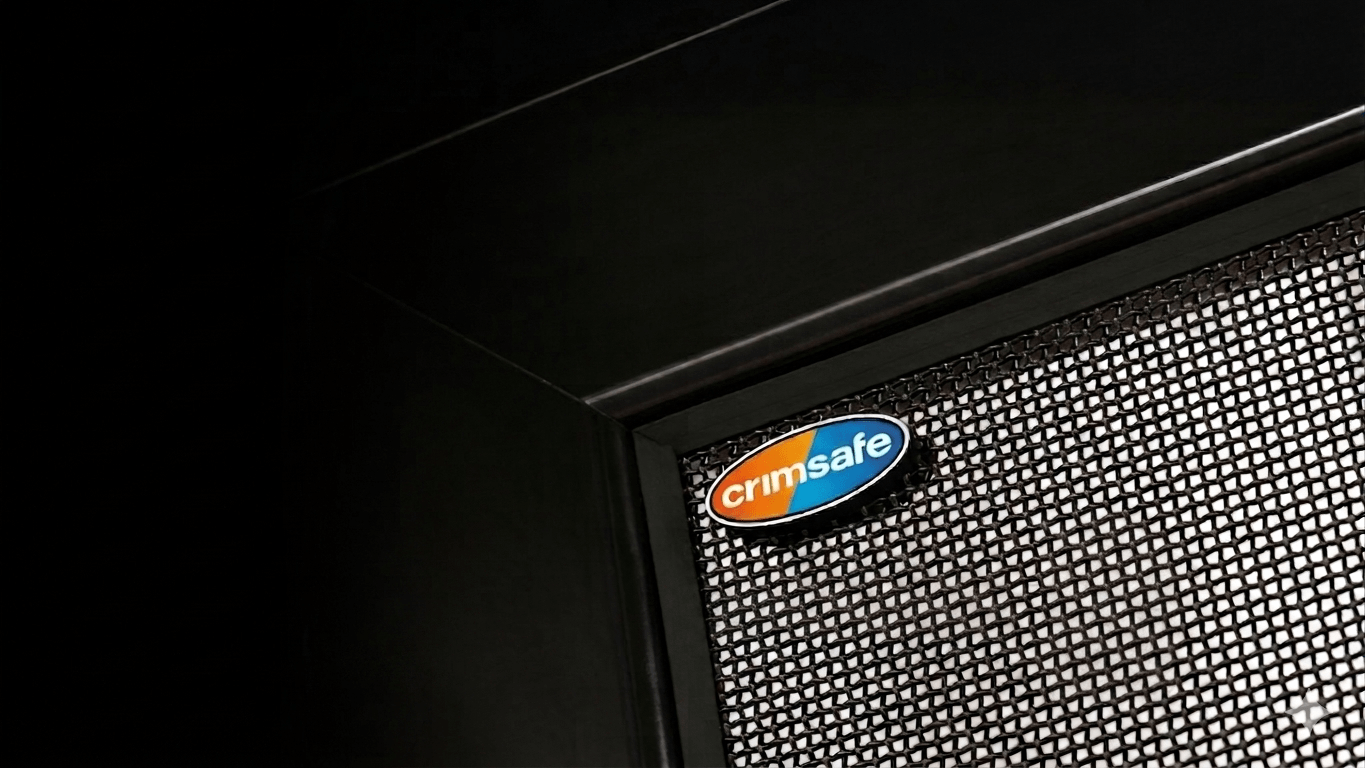
The best way to compare security screens is to ignore the loudest claim and work backwards from evidence: standards, test results, construction, installation, warranty, and the exact product being quoted. Two screens can both be described as "premium" while using different frame systems, fastening methods, locks, and warranty conditions. For homeowners who want proper protection without turning the house into a fortress, the goal is not to memorise technical jargon. It is to ask a few practical questions that expose whether a claim is measurable, relevant to your opening, and backed by a responsible installer.
Why Security Screen Marketing Can Be Hard to Take at Face Value
Security is an emotional purchase, so marketing often leans on words such as strong, tough, premium, and virtually invisible. Those descriptions can be useful shorthand, but they are not test results. A product may have excellent mesh yet a different frame or fixing system from the one used in a demonstration. Another may quote a dramatic impact figure without explaining whether it was a single impact, a repeated test, or part of the Australian Standard procedure. When comparing screens, write down the exact model or range so you are comparing like with like.
The Australian Standards Every Genuine Security Screen Should Meet
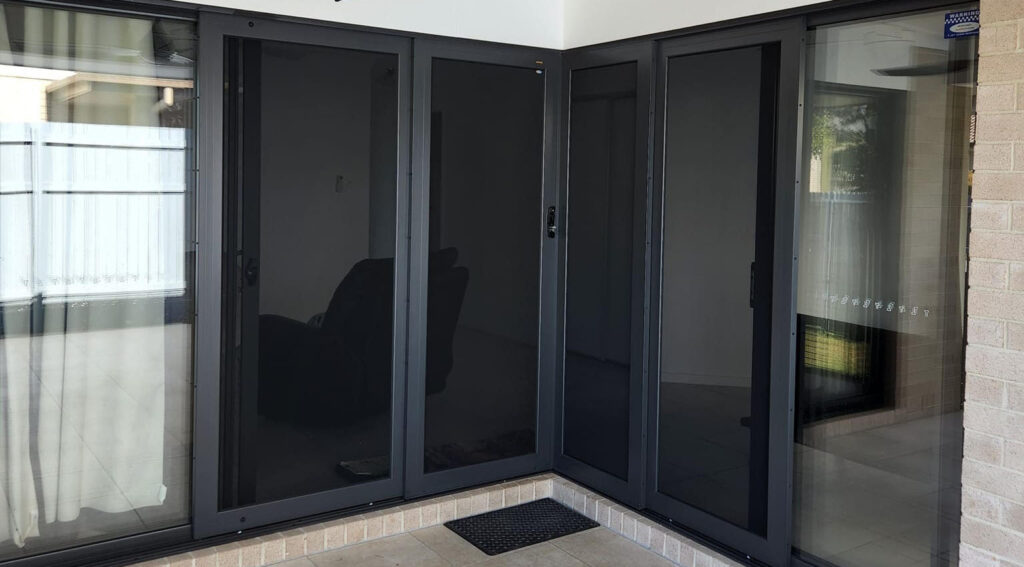
For residential security screen doors and window grilles, AS 5039 is the key performance standard. The associated AS 5041 test methods cover dynamic impact, jemmy, pull, probe, shear, and knife shear tests. AS 5040 addresses installation. You do not need to become a standards expert, but you should expect an installer selling a security product to be able to explain which standard applies and whether the complete system has been tested. A flyscreen, barrier screen and security screen are not automatically the same thing simply because they use metal mesh.
| Standard | What it covers |
|---|---|
| AS 5039 | Performance requirements for security screen doors and window grilles |
| AS 5041 | Test methods: dynamic impact, jemmy, pull, probe, shear and knife shear |
| AS 5040 | Installation requirements for security screen doors and window grilles |
How to Check a Brand's Testing Claims for Yourself
Start with the manufacturer's current technical information rather than a social media graphic or an old brochure saved somewhere online. Look for the name of the test, the test standard, and the configuration that was tested. If a brand says a product "exceeds the standard", ask by what measure. Crimsafe publishes impact figures for its residential ranges and lists the standard attack tests its systems pass. Other reputable manufacturers also publish compliance and test information. If you cannot find the evidence, ask the installer to provide it before you sign.
Why Mesh Grade and Thickness Are Not the Whole Story
Mesh matters, but it does not operate by itself. During an attack, energy has to travel through the mesh, into the retention system, then into the frame and surrounding opening. That is why comparing only a wire specification can be misleading. A thicker wire is not a substitute for a poor frame, and a high tensile figure does not tell you how the mesh is held around the perimeter. Look at the complete engineered system, including aperture, visibility, airflow, corrosion protection, and how the frame behaves when force is applied.
The Role Screws, Clamps and Rivets Play in Real Strength
The point where the mesh meets the frame is one of the most important parts of a security screen. Different manufacturers use different retention methods, including screws, clamps, wedges, adhesives, or welded assemblies. There is no useful shortcut that says one fastener is always better in every design. What matters is whether the whole method has been tested as a system and whether the product you receive is fabricated to the same specification. Ask how frequently the mesh is retained around the perimeter and whether the fasteners remain serviceable after years of use.
Why Installation Quality Changes the Outcome

A tested product can still be let down by a poor installation. If the opening is out of square, fixings are inadequate, locks do not fully engage, or the screen is fitted into weak material, the real-world result may not match the product's test performance. Good installers measure accurately, check the condition of the substrate, select appropriate fixings, and adjust the completed door or window so it operates cleanly. This is also why custom manufacture is common. A security screen needs to fit the actual opening, not simply look close enough from the street.
Reading a Warranty Without Getting Confused
The headline warranty period is only the beginning. Check what parts are covered, whether registration is required, what maintenance conditions apply, and whether locks, rollers, handles, or other accessories have separate warranties. Crimsafe currently provides a 10-year standard warranty on its core security products, with optional extensions on selected ranges when registration conditions are met. Do not assume an extended period means every component is covered for that long. Keep the original invoice, care instructions and warranty registration details in one place after installation.
What a Fair, Itemised Quote Should Include
A quote should make it possible to understand what you are buying.
- The exact product range, opening type and quantity for each opening
- Colour or finish, and lock or hardware choice
- Installation, including any special preparation required
- Whether old screens need removal, or the opening needs repair first
- A per-opening breakdown, so you can prioritise the highest-risk openings if a full-house job does not fit the budget at once
A very low total with no detail can make later comparisons much harder.
Six Questions Worth Asking Before You Sign Anything
Use the same questions with every supplier so the answers are easier to compare.
- What exact range and configuration are you quoting for each opening?
- Which Australian Standards does that system meet, and where can I see the test evidence?
- How is the mesh secured to the frame?
- Who will carry out the measurement and installation?
- What is included in the written warranty, and what maintenance is required?
- Are there any foreseeable extras for the opening, hardware, removal or access?
Clear answers are usually more useful than a long list of marketing features.
Why NSSA and QBCC Credentials Matter
Credentials do not replace good workmanship, but they give you more information about who you are dealing with. The National Security Screen Association represents businesses working in the security screen industry, while Queensland building work may also require the appropriate QBCC licensing depending on the work being performed. Securelux states that it is QBCC licensed and an NSSA member, and that its installers are employees rather than external subcontractors. When comparing installers, check current credentials yourself and make sure the business name on the quote matches the business doing the work.
How Crimsafe Stacks Up Against Common Claims
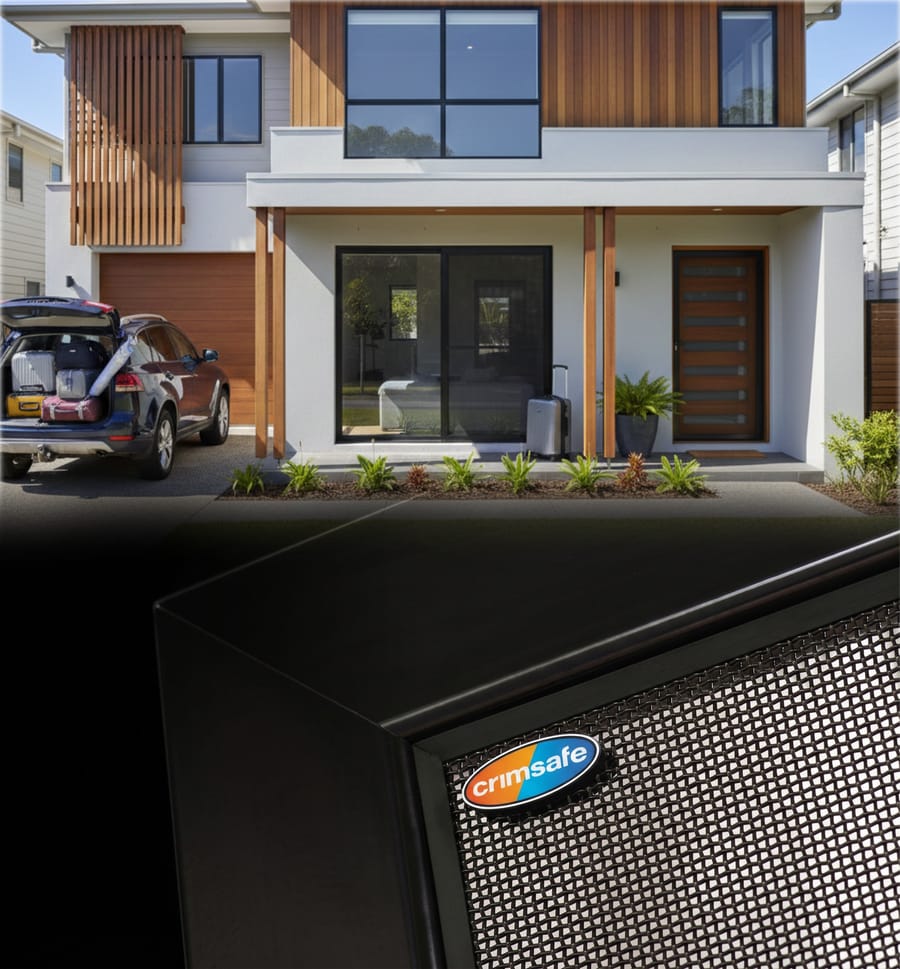
Crimsafe gives homeowners unusually specific data to compare.
Its Screw-Clamp retention system, broad colour options and published warranty conditions give you concrete points to compare against another brand. That does not mean every home automatically needs the highest-rated range. The right choice depends on the opening, exposure, budget, design priorities and the level of protection you actually want.
A Three-Step Reality Check
| Step | What to do |
|---|---|
| 1. Name the product | Get the exact range and configuration in writing, not just the brand name. |
| 2. Verify the claim | Match strength, standards, and warranty statements to current manufacturer information. |
| 3. Verify the installer | Check licensing, experience, measurement process and how the final installation will be completed. |
Getting a Second Opinion Before You Commit
There is nothing unreasonable about asking for a second quote on a major security upgrade. In fact, two properly itemised quotes often reveal where the real differences are. One installer may recommend a premium system on every opening, while another may identify a mix of products that better matches the home's risk and budget. Take the time to compare the evidence, not just the total price. Securelux offers free measure and quote appointments in its service area, which gives homeowners a chance to see samples, discuss the openings, and ask technical questions before making a decision.
Comparing Security Screens, Quick Answers
What is the most important thing to check when comparing security screens?
Is a higher joule impact figure always the better choice?
Does mesh thickness alone tell you how strong a screen is?
What should a fair, itemised security screen quote include?
Why do NSSA membership and QBCC licensing matter?
A security screen should be easy to explain once the marketing layer is removed. You should know what it is, how it is held together, what tests it has passed, who is installing it, and what support applies afterwards. If a supplier cannot answer those points clearly, keep asking. A confident purchase comes from understanding the system in front of you, not from choosing the brochure with the biggest number on the cover.
Book a free measure and quote with Securelux at securelux.com/book-consultation/ or call 1300 11 51 51.



Leave A Comment