


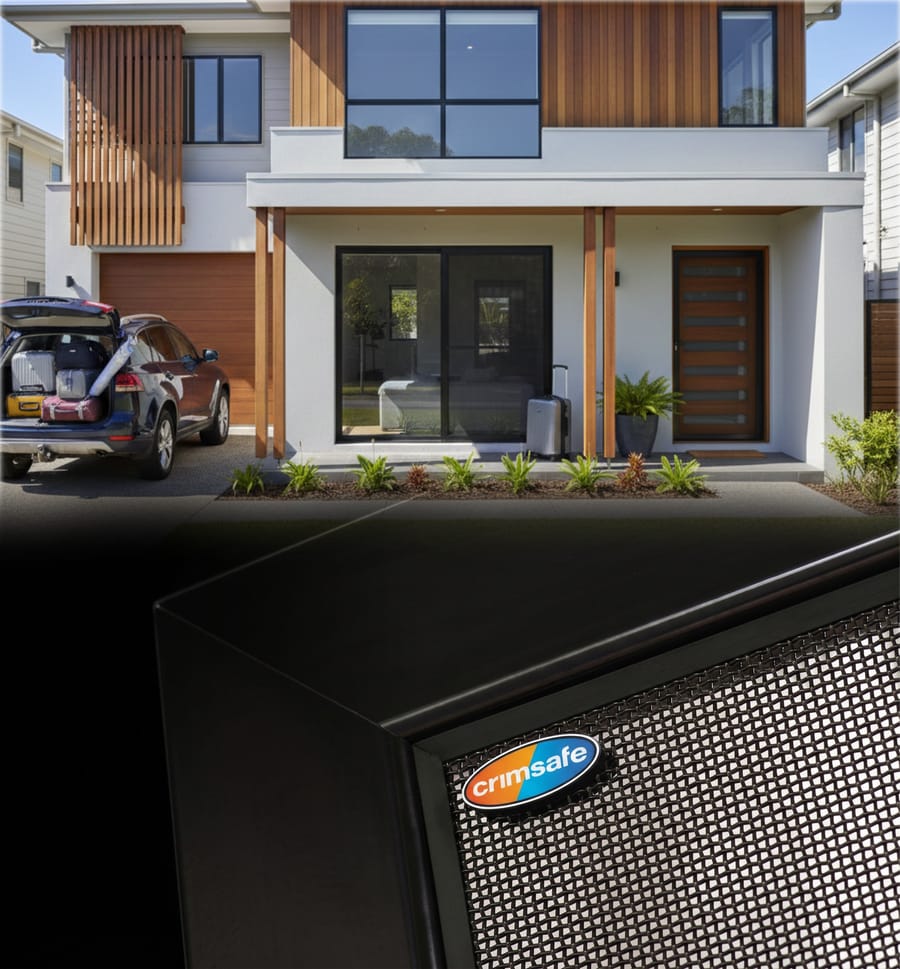
Crimsafe works best as one physical layer in a broader home security plan, not as a replacement for locks, lighting, alarms, cameras, or sensible access habits. A strong screen can make an accessible door or window harder to force while still allowing airflow and visibility, but an intruder may simply look for another weak point. Layered security is about making that search harder at every step. For homeowners, the practical goal is to understand which layers already work, which are missing, and where spending money will reduce the most obvious opportunity for unauthorised entry.
What a Layered Approach to Home Security Actually Means
Layered security uses several independent measures so the home does not rely on one device. The outer layer might be fencing, gates, lighting and visible house numbers. The building layer includes doors, windows, locks and security screens. Detection layers include alarms, cameras and sensors. Everyday behaviour forms another layer, such as locking side access and not leaving ladders beside an upstairs window. If one layer fails or is bypassed, the next still creates resistance, visibility or delay. The system is stronger because the parts support each other rather than because any one item is perfect.
The Four Layers at a Glance
| Layer | Job it does | Examples |
|---|---|---|
| Outer | Define access and remove concealment | Fencing, gates, lighting, visible house numbers |
| Building | Physical resistance and delay | Doors, windows, locks, security screens |
| Detection | Notice and record activity | Alarms, cameras, sensors |
| Behaviour | Keep the other layers working day to day | Locking side access, not leaving ladders or spare keys out |
Perimeter and Access Layers: Fences, Doors, and Windows
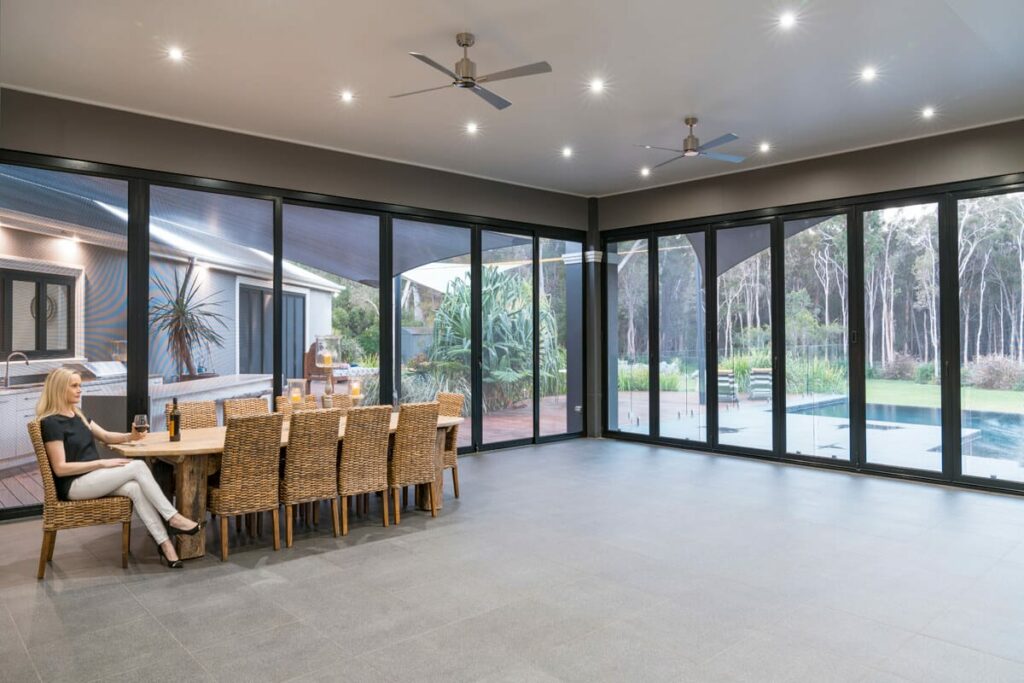
Start outside and work inward. A fence can define access without necessarily stopping someone determined to enter. Lighting can remove hiding places but does not physically stop a door being forced. The doors and windows are where the perimeter becomes the building envelope, so their condition deserves close attention. Check locks, hinges, frames, glass, and accessible openings. A security screen can add a second barrier to a door or window, particularly when the household wants ventilation. The best result comes when the surrounding frame and main lock are also in good condition.
Where Security Screens Sit in the Overall Security Stack
Security screens sit in the delay and physical-resistance layer. Their job is to make an accessible opening harder to penetrate while keeping the opening usable. That can be valuable at front and rear doors, sliding doors, and windows that are often opened. Crimsafe systems are tested against recognised security screen attacks such as impact, jemmying and knife shear. Those tests describe the screen system, not the whole house. If a side gate is permanently open or a garage internal door has a weak lock, the security plan still has an obvious gap.
How Crimsafe Works Alongside Alarms and CCTV
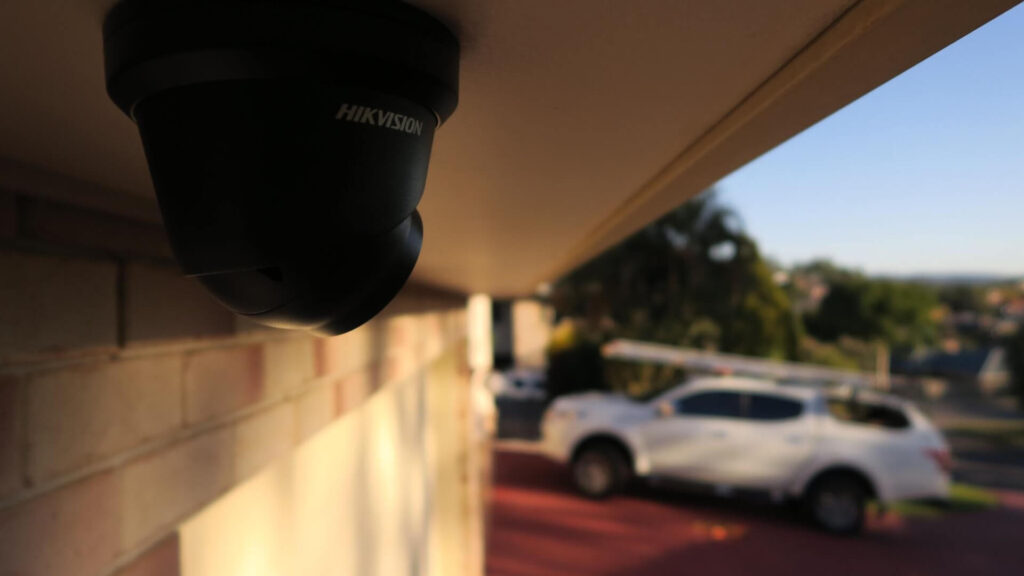
An alarm detects or reports an event. CCTV can record activity and may help with deterrence or evidence. A security screen physically resists access. Those functions are different, which is why they work well together. A camera does not strengthen a door frame, and a strong screen does not notify you that someone is testing a side entrance. Think about sequence: visible lighting and cameras may discourage approach, the screen and locks create delay, and an alarm can respond if the building is breached. No layer should be expected to perform the job of another.
Lighting, Landscaping and Visibility as Supporting Layers
Small changes outside the house can improve the value of the hardware you already own. Trim vegetation that creates concealed working space beside doors or low windows. Position lighting so entries are visible without creating glare that blinds a camera. Keep gates functioning and avoid leaving tools or ladders where they provide easy access. These are not glamorous upgrades, but they can remove opportunities before a person reaches a security screen. Good landscaping also helps a screen retain its lifestyle benefit by keeping the home open to breezes and views rather than hiding it behind heavy barriers.
Locks, Deadlocks and Multi-Point Locking Explained
A screen door needs a sound locking system as well as strong mesh. Multi-point locks secure the door at more than one point along the frame, reducing reliance on a single latch area. Crimsafe residential doors are available with multi-point locking, and the exact hardware depends on the door configuration, so confirm what is included in your quote. Deadbolts on other doors can also improve resistance, but emergency egress and household usability matter. Everyone in the home should be able to operate locks safely when they need to leave quickly.
Why No Single Product Is a Complete Security Solution
There is no honest screen, lock, alarm, or camera that makes a home impossible to enter. Security products reduce risk by increasing effort, noise, time, or the chance of being seen. That is why the strongest front screen does little for a rear laundry window that no longer latches. Marketing often focuses on a product's most impressive test, while real break-ins look for the easiest available route. The better approach is to remove obvious weak points, then strengthen the openings where an added layer will make the biggest practical difference.
How to Assess Which Layers Your Home Is Missing
Walk around the property as if you had never seen it before. Do it once in daylight and, if safe, once after dark. Note which entries are visible from the street, where lighting is poor, which windows are accessible, where side gates lead, and whether the garage connects directly to the home. Then test the hardware from inside. Doors should close without lifting, locks should engage cleanly, and screens should not rattle in their frames. Write down problems rather than trying to remember them. A short list makes prioritising much easier.
Common Gaps Homeowners Overlook Until After a Break-In
The same practical gaps appear repeatedly because they are inconvenient rather than dramatic.
- Side and rear gates left unlocked because the front entry receives most attention
- Sliding doors with worn rollers or locks that no longer align correctly
- Garage-to-house doors treated as internal doors even when the garage is accessible
- Low bathroom, laundry or bedroom windows left on old latches
- Sensor lights pointing the wrong direction, or no longer working
- Spare keys and ladders stored in obvious external locations
Fixing these basics can improve the whole plan before a major purchase is made.
Building a Layered Plan on a Realistic Budget
Start with repairs and behaviour changes, then spend on the highest-risk openings. Replacing a failed lock, repairing a side gate or repositioning a light may be inexpensive. A tested security screen can then be used where physical resistance is genuinely needed. Alarms or cameras may follow if detection is weak. This order avoids the common mistake of spending heavily on visible technology while leaving basic access problems unresolved. If the budget is staged over a year, keep a written priority list so later upgrades continue the same plan rather than becoming unrelated purchases.
Fitting a Free Consultation Into a Broader Security Review
A security screen consultation is most useful when you already know what worries you about the home. Show the consultant the doors and windows you use for airflow, the openings that feel exposed, and any hardware that has been repaired before. Ask which locations would gain the most from a Crimsafe screen and which may only need a simpler fix. A reputable consultant should be able to say when a premium screen is unnecessary. The goal is to improve the system around the house, not to maximise the number of products on the quote.
A Three-Step Layering Plan
| Step | What to do |
|---|---|
| 1. Remove easy opportunities | Repair locks, close access gaps, improve lighting and secure tools or ladders. |
| 2. Strengthen key openings | Use tested security screens and appropriate locks where doors and windows are most exposed. |
| 3. Add detection and response | Use alarms, cameras, and household routines so activity is noticed and acted on quickly. |
Strengthening Your Home's Weakest Layer First
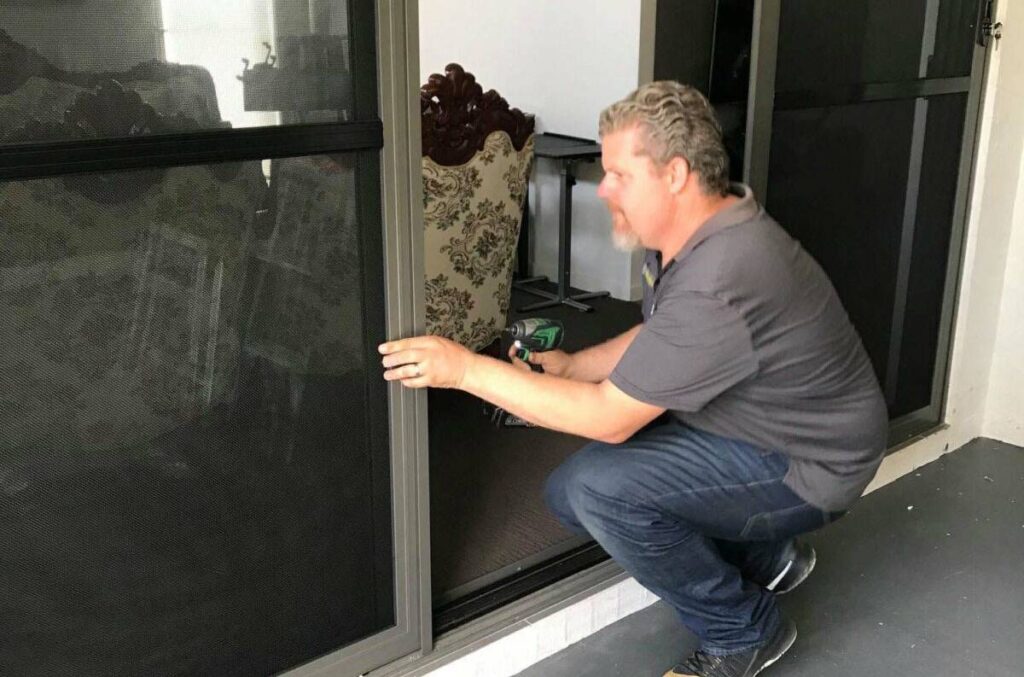
The weakest layer is not always the oldest or cheapest item. It is the part that gives someone the easiest route through the property. For one home, that may be an unprotected sliding door. For another, it may be a side gate leading to a concealed laundry window. Crimsafe can be a strong part of the answer where an accessible opening needs physical resistance, but it works best after the whole route has been considered. Securelux can assess doors and windows in its service area and explain which Crimsafe range fits the opening.
A layered plan is easier to maintain because each part has a clear job. Fences and landscaping shape access, lighting improves visibility, screens and locks create resistance, alarms detect activity, cameras record it, and household habits keep the system working day to day. Review the plan after renovations, changes in household routine, or a security incident nearby. The aim is not to make the home feel defensive. It is to remove easy opportunities while keeping the airflow, light and liveability that made you choose the home in the first place.
Layered Home Security, Quick Answers
Do I need an alarm as well as security screens?
Where should I start if I am building a security plan from scratch?
What home security gaps do people usually miss until after a break-in?
Do Crimsafe doors have multi-point locking?
Can a security screen alone make a home secure?
Book a free consultation with Securelux at securelux.com/book-consultation/ or call 1300 11 51 51, and ask which openings would benefit most from a Crimsafe screen as part of your wider security plan.




Leave A Comment