


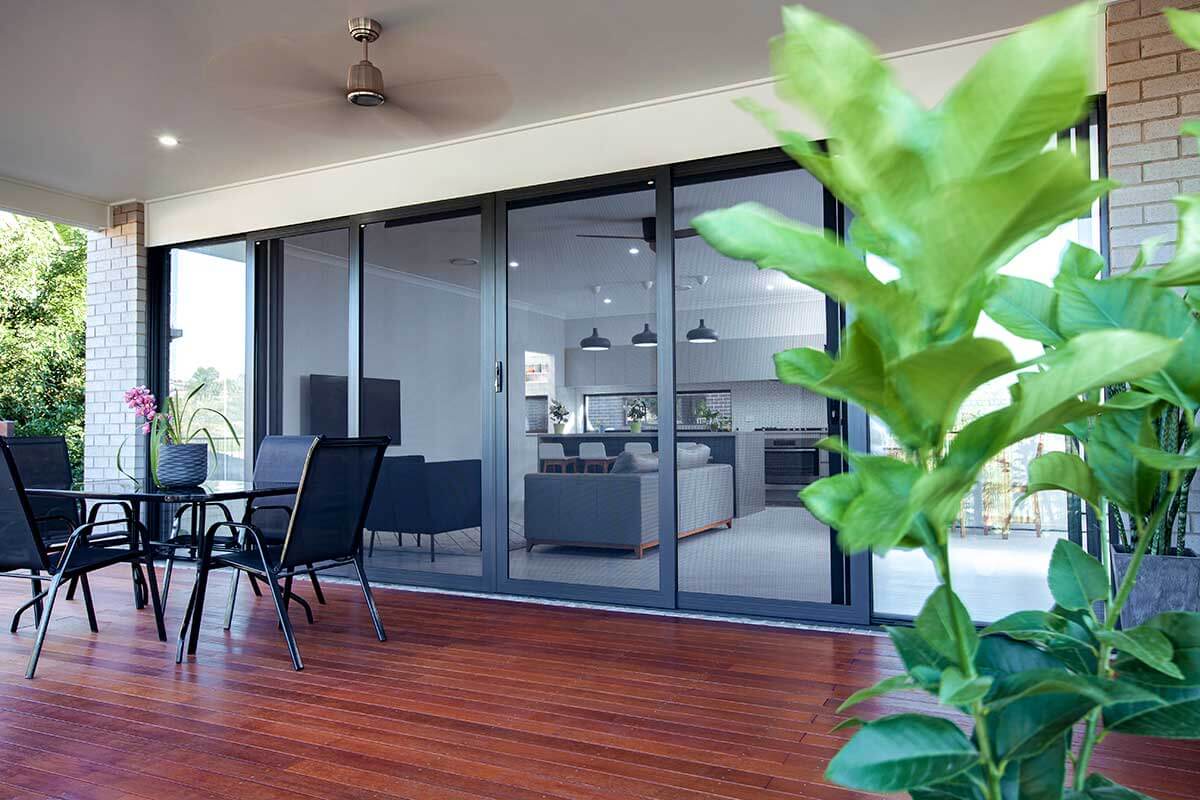
Crimsafe can make sense for a business when a site needs a tested physical barrier across doors, windows, or other vulnerable openings without permanently blocking light and airflow. It is not automatically the right answer for every tenancy, warehouse or office. A low-risk internal door, a short lease, or an opening already protected by another compliant system may not justify the same spend as a street-facing shopfront or exposed ground-floor window. The useful way to decide is to match the security screen to the actual risk, building requirements, operating hours, and value of the people or assets behind it.
What Makes a Commercial Property a Good Fit for Crimsafe
A good fit usually starts with an opening that is accessible, important, and difficult to protect in another practical way. Ground-floor windows, staff entries, rear service doors, plant enclosures, and openings that need ventilation after hours are common examples. Commercial sites also benefit when the screen needs to do more than deter opportunistic entry, such as supporting fall prevention or protecting equipment from thrown objects. Crimsafe has dedicated commercial configurations, so the specification can be matched to the application rather than simply fitting a residential-style screen to a larger opening.
Retail, Office, and Warehouse Scenarios Where It Earns Its Cost
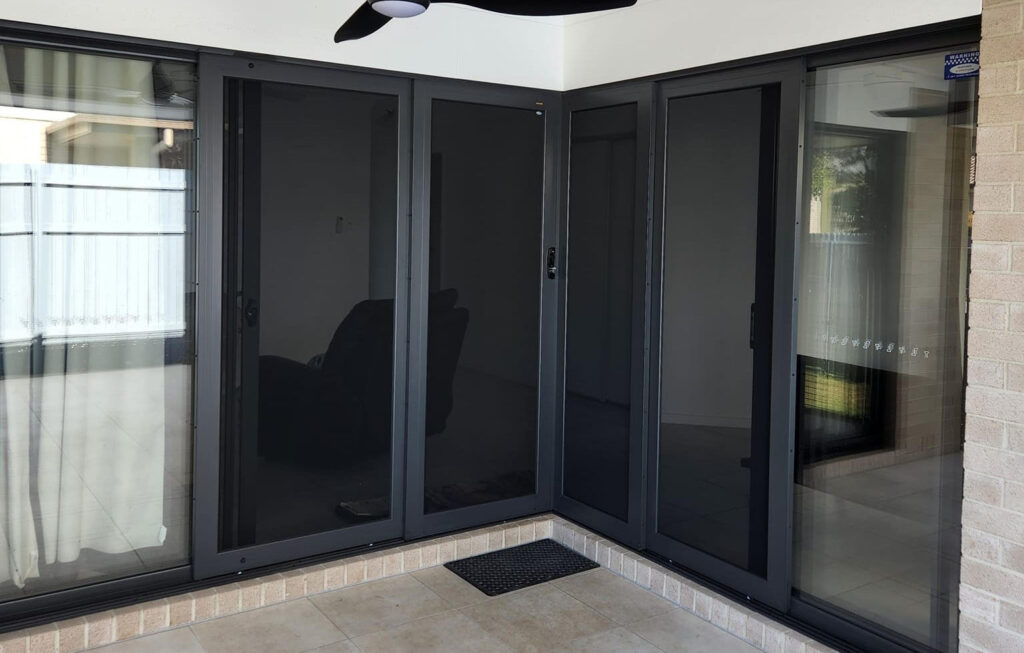
Retail sites may value a security screen where airflow is useful outside trading hours or where a secondary barrier reduces exposure after glass breaks. Offices can have vulnerable side and rear doors that receive less natural surveillance than the main entry. Warehouses often have staff doors, low windows or plant areas that are easier to reach than large roller doors. The investment is easier to justify where a single incident could interrupt trading, damage stock or leave an opening unusable. The screen should still sit within a broader plan that includes locks, alarms, lighting and access control.
When Fall Prevention and Balustrading Needs Point to Crimsafe
Some commercial projects need an opening to resist falls as well as unauthorised access. That changes the specification. A screen being used for fall prevention or as part of a balustrade application needs to meet the relevant building and structural requirements for that use, not simply the security screen standard. Crimsafe publishes commercial systems tested for fall protection applications, but the correct profile and fixing arrangement must be selected for the project. A designer, certifier, or other qualified building professional should confirm the required performance before the screen is ordered.
How Commercial-Grade Screens Handle Higher-Risk Sites
Crimsafe's commercial range uses more closely spaced perimeter fastening than lower-duty residential configurations, alongside published independent impact testing for the range.
Crimsafe's commercial range is tested to withstand a published single-impact figure well above the residential ranges, with other profiles and ranges carrying different impact figures. Those numbers are useful for higher-risk sites because they show a measurable step in system performance. They do not mean the screen is indestructible. The surrounding structure, frame design, lock hardware, fixings, and installation conditions still determine whether the finished opening performs as intended under real-world loads.
When a Lower-Cost Solution May Suit Better Instead
Not every opening needs the highest specification. A business inside a controlled-access building may only need insect screening on an internal opening. A low-value storage room behind multiple locked barriers may not justify a premium external security screen. In some situations, improving lighting, repairing locks, or changing access procedures will deal with the immediate weakness more efficiently. The right question is what problem you are paying to solve. If the goal is airflow, a barrier product may be enough. If the goal is tested resistance to forced entry, use a system designed and installed for that purpose.
National Construction Code and Australian Standards Compliance

Commercial work can involve more than the security screen standard. The product may need to interact with the National Construction Code, fire egress, accessibility, balustrade, fall prevention, bushfire or cyclone requirements depending on the building and location. Security screen performance is assessed against AS 5039, with recognised test methods in AS 5041, while installation requirements are addressed by AS 5040. Those standards do not replace project-specific building compliance. Before approving a screen for a non-standard application, make sure the relevant designer, certifier or project professional has confirmed what the opening must achieve.
Weighing Upfront Cost Against Long-Term Asset Protection
The cheapest quote can be poor value if it solves the wrong problem or needs early replacement. For a business, compare the installed cost with the likely consequences of the opening failing: damaged glass, stolen equipment, emergency boarding, lost trading time, staff disruption and insurance excess. Then factor in maintenance. A durable system that can be cleaned, serviced and supported locally may make more sense over a long lease than a cheaper product with unclear parts or warranty support. Keep the calculation realistic rather than assuming a screen will prevent every incident.
Bushfire and Cyclone Considerations for Commercial Sites
Bushfire and cyclone exposure should be treated as separate design questions, not bonus features added to a security claim. Queensland has building requirements for construction in designated bushfire-prone areas, and cyclone regions have their own wind and debris considerations. Crimsafe publishes specific commercial systems tested for bushfire, storm and cyclone applications, but not every profile is suitable for every hazard. Confirm the exact product, test report and installation specification for the site. In higher-risk projects, the screen should be selected as part of the building design rather than added after compliance decisions have already been made.
Questions a Business Owner Should Ask Before Committing
Use the site inspection to get specific answers.
- What exact risk are we trying to reduce at each opening?
- Which Crimsafe range and profile are being specified, and why?
- What standards or project requirements apply beyond security screening?
- Who is responsible for confirming the substrate and fixing method?
- How will emergency egress, accessibility, and daily operation be affected?
- What cleaning, servicing, and warranty conditions apply to this environment?
Those questions keep the conversation focused on the building rather than a generic product pitch.
How Installation Differs for Commercial Versus Residential Jobs
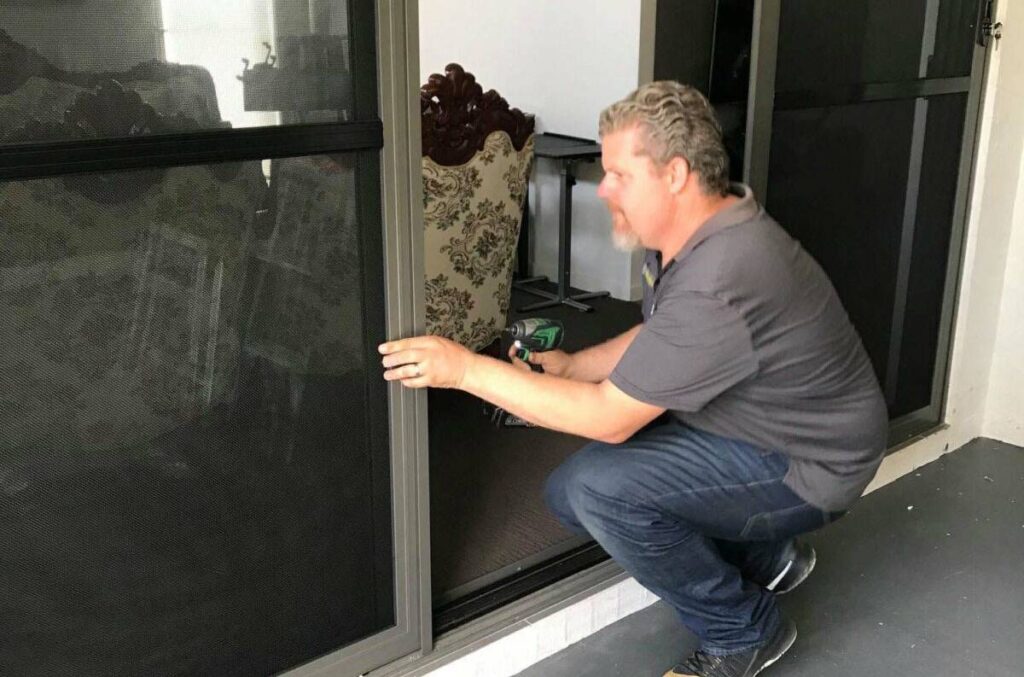
Commercial work often involves larger openings, unusual substrates, access equipment, staged construction, site inductions, and coordination with builders or facility managers. The installer may need to work around trading hours or integrate with existing access hardware. Measurements and fixing details can also be more tightly tied to drawings and approvals. For this reason, a commercial quote should identify assumptions about access, power, removal, making good and site conditions. If the project is still being designed, bringing the security screen supplier in earlier can prevent avoidable clashes with frames, finishes and other trades.
Getting a Tailored Assessment for Your Business
A useful assessment should separate the openings that genuinely need higher security from those that do not.
- Walk the site at the times it is most vulnerable, including after hours if practical
- Note blind spots, rear access, exposed glazing, and ventilation requirements
- Identify areas where staff need quick egress
- Prioritise, rather than specifying one expensive solution everywhere
A business may choose commercial-grade protection at a rear entry, a different screen at an office window and no security screen at an internal opening. That is often a better outcome than specifying one expensive solution everywhere simply because it is available.
A Three-Step Site Review
| Step | What to do |
|---|---|
| 1. Map the risk | Identify accessible openings, valuable assets, after-hours exposure, and operational constraints. |
| 2. Match the requirement | Confirm security, fall, fire, bushfire, cyclone, or building-code needs for each opening. |
| 3. Specify the system | Choose the exact profile, fixings, hardware and installer only after the project requirements are clear. |
Talking to a Crimsafe Authorised Licensee About Your Site
A Crimsafe Authorised Licensee can help translate product options into a workable site specification, but the conversation should still be evidence-led. Ask for the exact range being proposed, the relevant test information, drawings or dimensions where needed, and a clear installation scope. Securelux services commercial as well as residential customers in South East Queensland and can assess individual openings rather than assuming a domestic package will suit a business. For complex projects, involve the builder, certifier or design team early so everyone is working from the same requirements.
Crimsafe is most valuable in commercial settings when it solves a defined physical-security or safety problem that has been properly specified. It is less compelling where the site already has effective layers or where a simpler barrier will do the job. Start with the risk and compliance requirements, then choose the product. That order keeps the project practical, reduces overspending, and makes it easier to explain why a particular screen was installed in the first place.
Commercial Crimsafe, Quick Answers
Is Crimsafe suitable for every commercial site?
What impact resistance does Crimsafe's commercial range offer?
Does Crimsafe replace National Construction Code compliance?
Can Crimsafe be used for fall prevention or balustrading on commercial sites?
Does Securelux install Crimsafe for commercial as well as residential customers?
Book a free site assessment with Securelux at securelux.com/book-consultation/ or call 1300 11 51 51 to talk through your commercial property's openings.



Leave A Comment